July 22, 2026 • podcast
Episode 6: Big Cypress Distillery
Listen on:

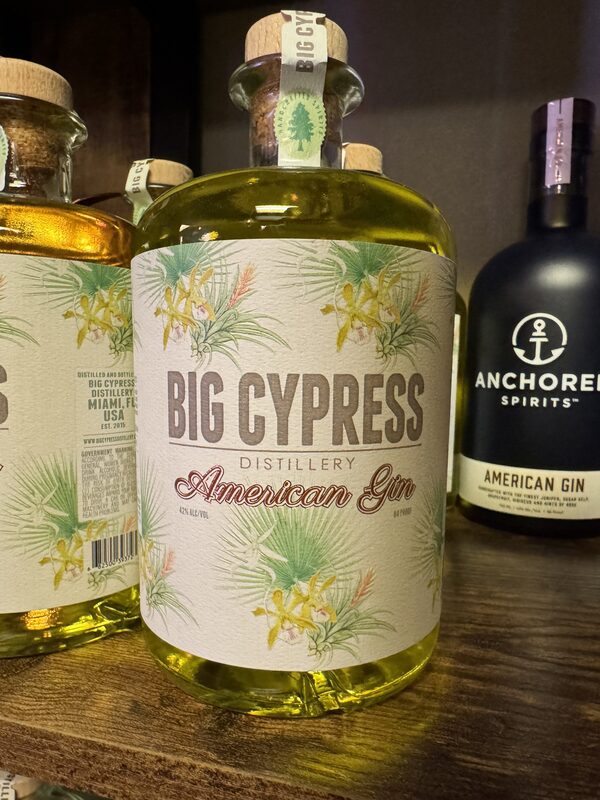
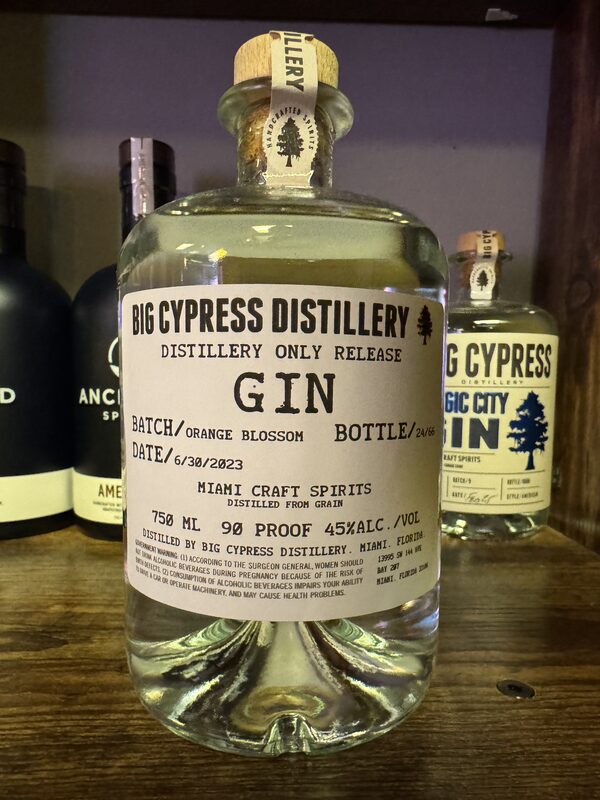
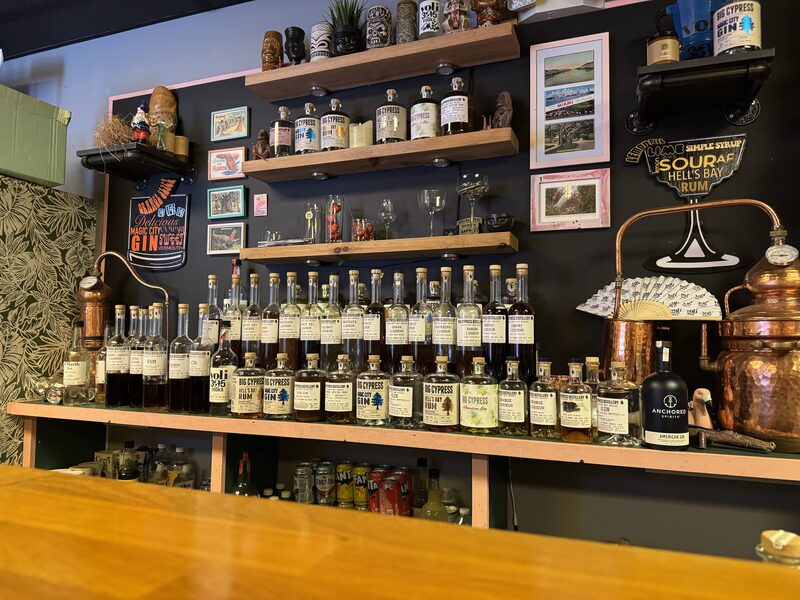
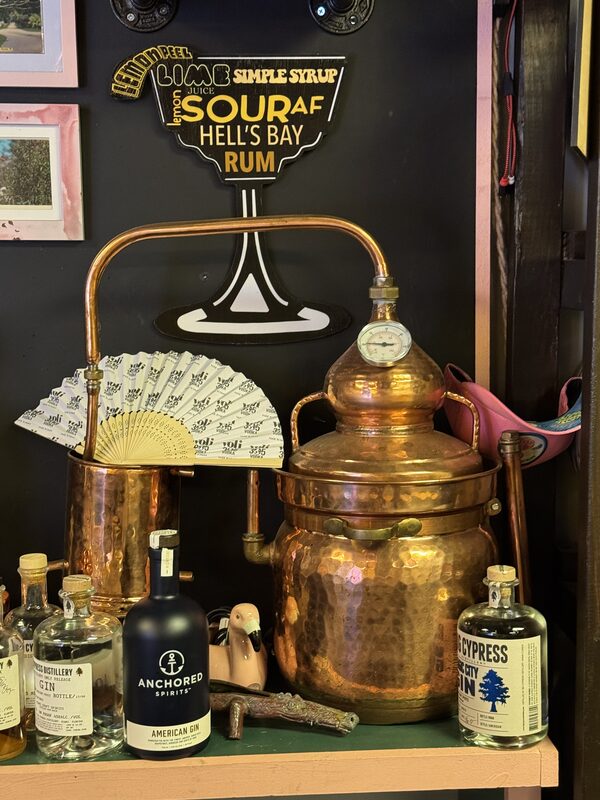
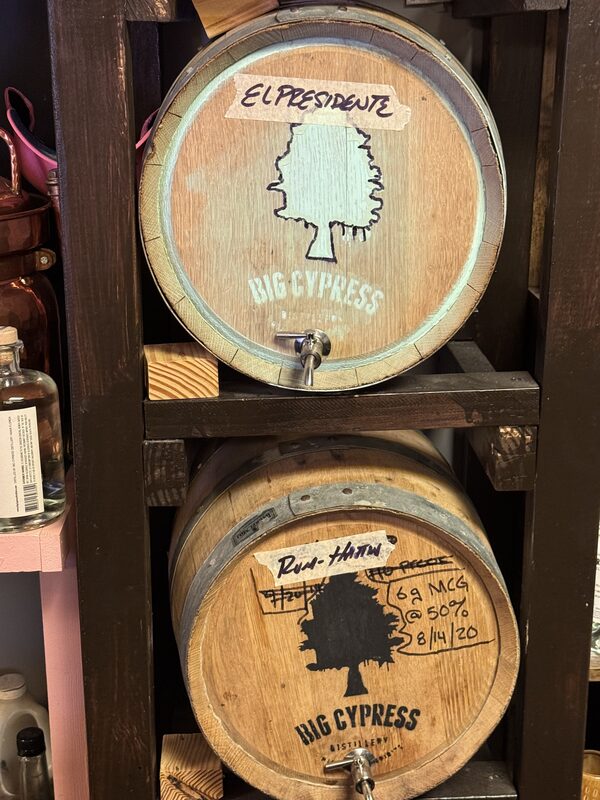
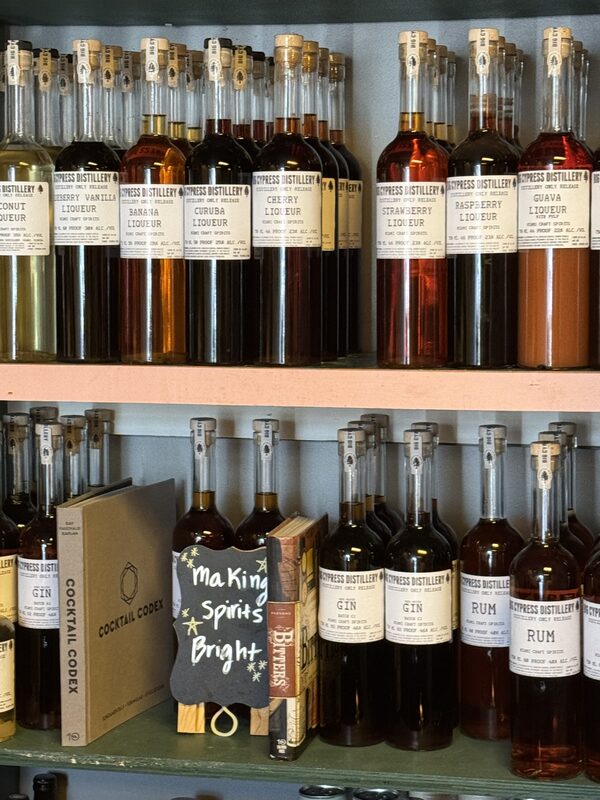
Fernando Plata built Miami's first gin out of a warehouse bay next to Kendall's airport, a leap that started over a Christmas dinner and years of self-taught fermentation science. He talks about why every recipe is public, why he won't call himself a master distiller, and what it takes to age whiskey in a state with no winter.
Episode 6: Big Cypress Distillery

Episode Transcript

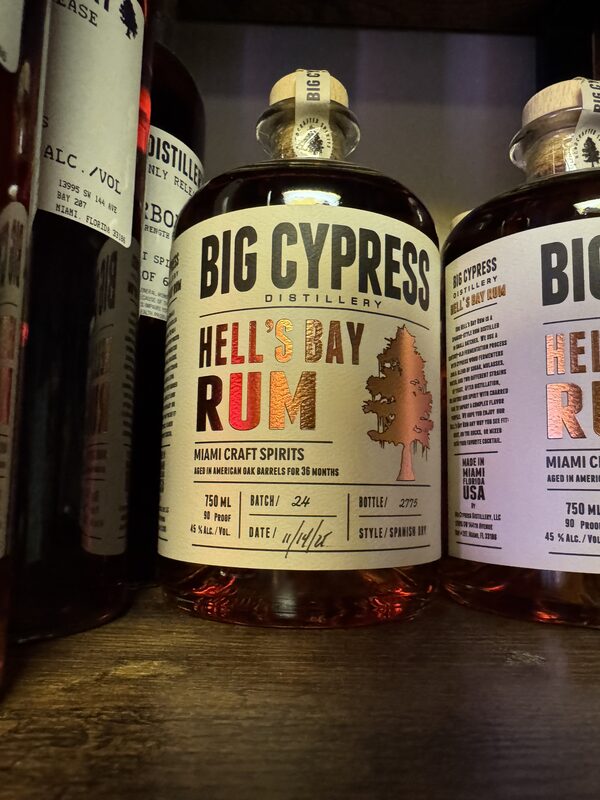
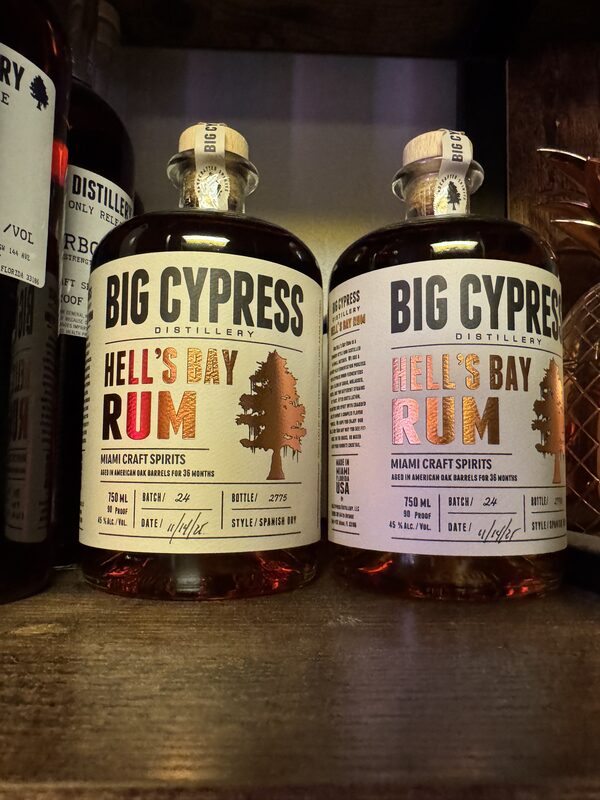
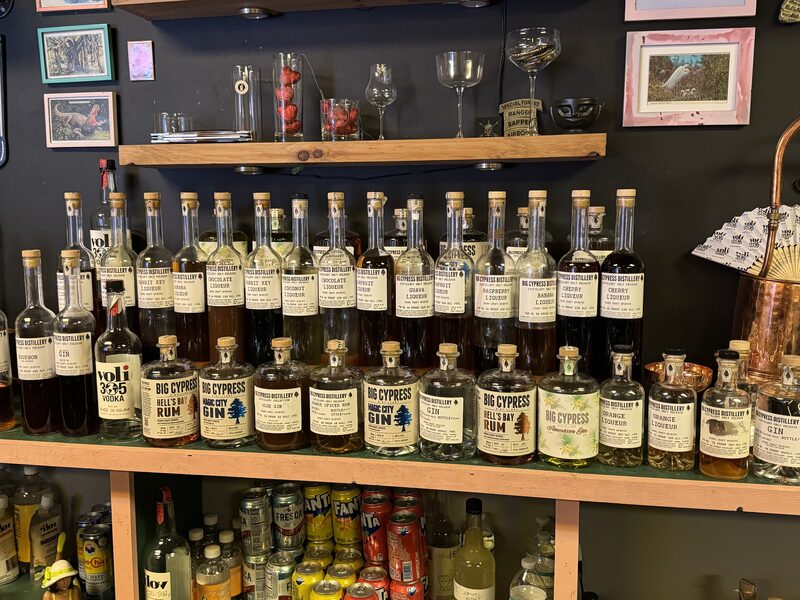
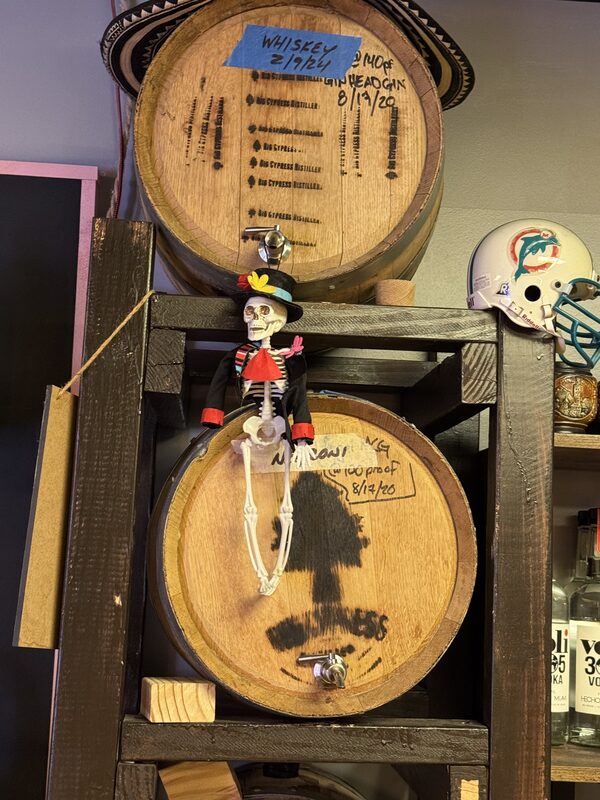
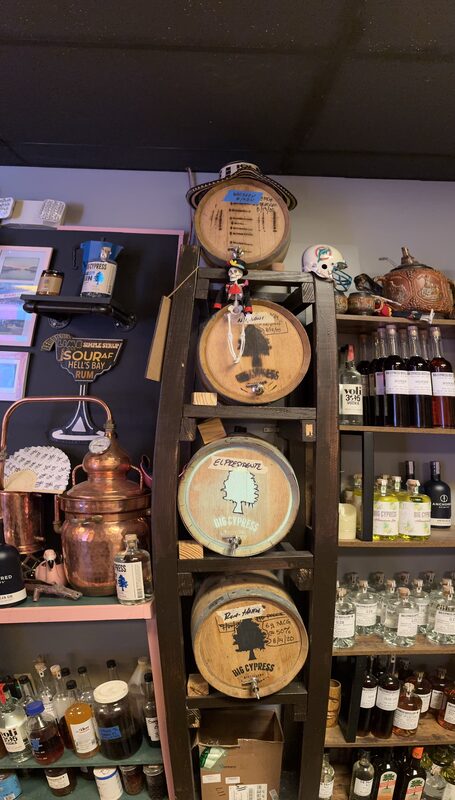
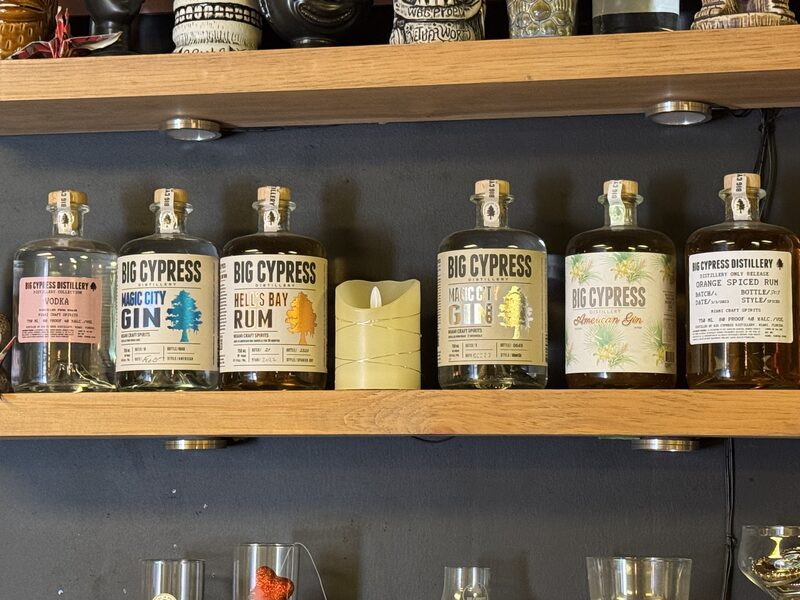
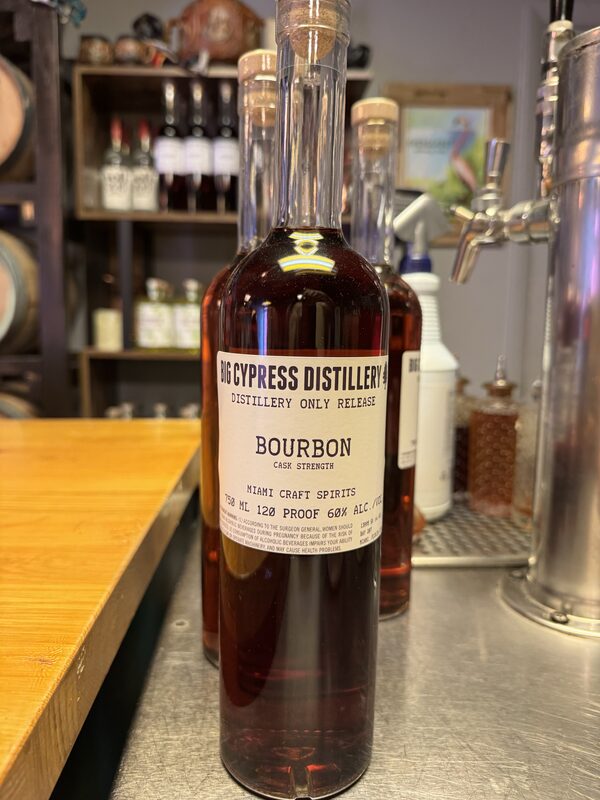
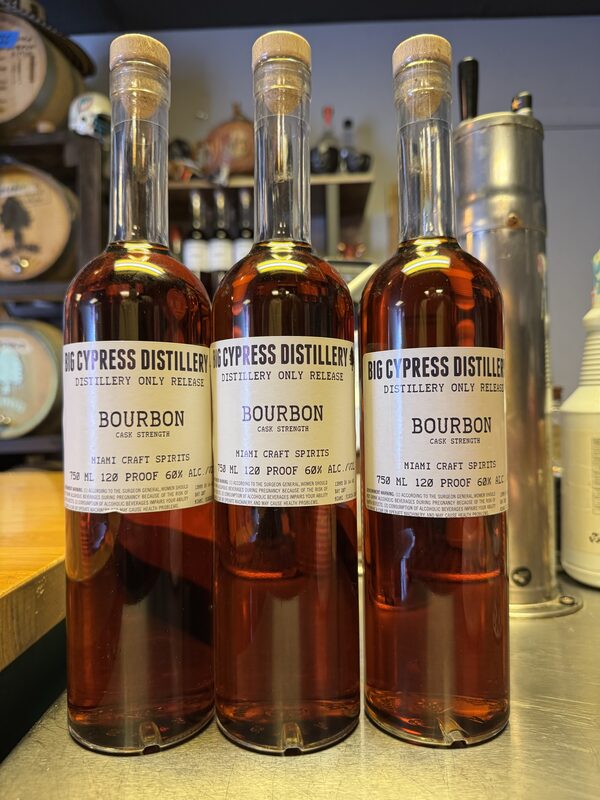
if you called yourself a master distiller you're full of shit and I know a lot of you guys I'm pissing you off I love you but if you called yourself a master distiller if you titled yourself a master distiller you're full of shit hi my name is Cal Evans and this is Hearts and Tails I'm here in Big Cypress distillery with Fernando Plata who's co-owner owner and master distiller you you pretty much wear all the hats at some point yeah just a stiller but but but that's correct excellent now this whole thing I love telling the origin story or hearing the origin story and this whole thing started because you and your cousins were sitting around one night sharing drinks and kept talking about it and all of a sudden you said hey maybe we can do that talk to us about when it became when it stopped becoming just a fun idea and started becoming hey we can do this yeah interesting so so I don't think it was ever an idea so it comes up to us drinking one night and like a few weeks earlier I had this Udovy that a that a friend of mine poured and we're passing the bottle around and I saw the price it was $180 and I was like geez I can make this for cheaper but that that I've never distilled in my life till then I brewed plenty I started brewing in 1994 but fast forward to maybe three months after that we're at a Christmas dinner in my house probably had a little too much to drink and I brought up the idea we always wanted a bar or something so I open up a distillery he's like okay let's talk and we opened up a distillery and that's how that's how it came about I guess the question was who's gonna distill and I'm like I guess I learned and that that was it this that's how it started it I wish it was a more romantic idea though that was actually very cool you know it came out of a night of drinking so that's a lot of things come out of a night of drinking now your reputation is built on rum and I understand that you have some wonderful rum and I hope to do a tasting when we're done but you didn't start there you started with Magic City gin why'd you start with gin and not dive straight into rum yes you probably hear this from a lot of distillers so straight white rums and and granted there's a lot of categories of rums there's white rums that could be served from the still table white rums rums that are approachable to most people are not really straight out of the still you have to put them on it you have to age them somewhat some of the clear rums that come from what we call Spanish rums they spend at least 18 months in a barrel 12 months in a barrel then you filter the color out sometimes they add what we call a word the entity which is the the white dog right back into it and so forth but in the US we don't have those those limitations you can call rum out of the still still but it the rum that I wanted something that people kind of can can approach at first so so gin takes three weeks right out of the still just to marry or so forth some might take two weeks I prefer to leave them that it depends on the distiller so that's where the idea came that that's what the reason but I'm I am a gin drinker I've always been a gin drinker so creating a gin and I mean we thought it would be easy but to come up with a good product it took us 29 iterations until we came up with a with a product that we could serve and learn quite a bit over the over the time and and it is it did become a passion of mine now my biggest passion is rum but but we're well known for gin as well I look forward to it I was telling you earlier I'm a latecomer to gin I originally did not like it but I have developed a taste for it and a good gin something that somebody's put some time into is really something beautiful you know yep plus we've changed the approach right at traditional gins or juniper forward which I appreciate mm-hmm I I'm a true believer in a juniper forward gin as well but as as gins evolve we have this idea of new world gins with the juniper subsided and and we we lend a palette to a much wider set of botanicals and character and so forth so all of a sudden and you know in the 20 years ago we we saw a gin I've been a gin aficionado for a while we saw a gin that was high in citrus where the citrus came from citrus product other than than coriander as a cheap gin right a citrus bomb that's not good I mean they left the highest level of citrus would have been something like Plymouth which was it is good yeah fast forward till now well we've really allowed that new world category to explore to exploit and some of your traditionalists will say that now that's not a gin because it's not juniper forward etc etc it is a gin I mean you can if you want juniper bombs continue drinking that I like them I'll continue drinking them but I also appreciate product that's not not not quite yeah not quite as juniper forward I appreciate the other nuance I was I had never had a citrus forward gin until we were down in Ybor City or up in Ybor City one day and they had a bottle shop up there I said okay you know this looks interesting I'll take it I took it home it was fantastic you know it was just a beautiful it still had the botanicals in there a little bit of juniper but it was way understated but the citrus really blossomed in that and I just I I've been a fan every time ever since every time I see a citrus a good citrus gin I'll make sure and pick up a bottle of it now this is Hell's Bay okay Hell's Bay is your flagship rum and it's also your favorite fishing spot out in the Everglades one of them yeah that's correct yeah tell us about how you go from a fishing spot to the name on the label of one of your rums I mean Hell's Bay and we did trademark it guys so Hell's Bay it's just an awesome name right oh yeah and it made sense at that time all our products had the idea of every product that we were gonna distribute to send out through distribution is that would have a name of something that meant something to us in South Florida magic city being the pet name for for for for our city Miami Hell's Bay being a geographical area we have rabbi key liqueur which is another key down in Florida Bay and so forth so so the idea was to name it after geographical areas that we cared about and that's that's where the name came from very cool I can't wait for the tasting I have heard so much about Hell's Bay rum from others and I'm like I gotta try that is one of the reasons I was very excited when we were able to line this up because I already had you your reputation preceded you on this but now you've been doing this 11 years and you're one of the older craft distilleries here in Miami but like others have come before yeah and and not made it they faded away what did Big Cypress do correct so I don't know what we did correct but I can tell you we we had a few guiding lights okay guiding we had a North Star and that North Star was to be product first which is rare we did not have not we Big Cypress is now four partners okay with mark it was it was two partners we've taken on to two partners sense who also believe in in our in what our North Star is our North Star was product first and we understand and we don't even recommend that a company starts that way you should start marketing first but bottom-down approaches top-down approaches we took a bottom-up approach where the product was first and it was to never put out a product that was substandard to us and that had met our expectations right we're never gonna compete with Bacardi we're never gonna at their price point some of the quality points were never they got really good product that we we also recognize that as opposed to the breweries that had quite a bit of latitude for tasting rooms whatever we also recognize that we could not make better product than the conglomerates the conglomerate whiskey manufacturers make fabulous whiskey we we knew we could never compete with any of the large distilleries in Indiana or Kentucky in in in that space but we knew we could make good whiskey that had different characters that was maybe thicker that was maybe a more body that was make you know the different characteristics to be approached can we make better whiskey then I mean name any of the large distilleries yeah roses they're incredible whiskey manufacturer right but we can make really good whiskey that that is different enough and and that can compete with those those that can compete on on character yeah with those products and being different enough similar with a rum rum is it's a very unique rum so that was the idea and you know sticking to our guns I think it worked and we've always kept low low overhead I run I run a we'd run with skeleton skeletal teams and we don't take work that we don't care about right there's there's so I also do I formulate for for brands and we do some as you learn from Paula and Joe we do some co-packaging here but we turn down most of it it has to make sense for us we're just not gonna take another brand we have to take two things we have to provide the value to the customer that that they believe it's perceived value to them and it has to be financially beneficial for us so we're not a volume business so we protect that in that that allows me to run with a type customers I don't take BNC customers which a lot of folks do because they see it out of necessity right but then they become a thorn I and I learned that from the software world it's it's in a cheap customers can become an expensive customer absolutely and I'm glad you brought up software that's a great segue because you and I are both software people you came up in enterprise software I came up in web development and back in mainly back-end stuff in our pre-meeting our pre-show call we actually got to geeking out on SQL and stuff like that and I don't get to do that a lot with this group so this is great for me but one of the things we talked about was open source software because we both believe very strongly in that and you make available all of your recipes should someone want to see what's actually in that that's correct where does that come from is that your software roots coming up so what so early on I was enamored by the idea of open source in the software world because it gave us the ability to look behind the curtains on something that a lot of folk would not necessarily have access to at that time in the 1990s you could see the code for full enterprise ready database you can see the code for a full enterprise ready Unix kernel yeah you could see the code for a not so enterprise ready CRM or ERP tool so and I was I was enamored by that idea I also recognized that as an individual I was not gonna write that code even if I assemble the full team I didn't have the ability to write that full code yeah so but it was interesting I think there was something I needed to see I can figure out we're in the in the files this existed I apologize okay we're in the file this existed and and was able to to to educate myself so I figured I believe in transparency I believe the TTB should enforce every alcohol manufacturer to tell you exactly what's in the product we can put stuff in here that's an allergen and not name it because they were not required like you know we were pseudo governed by the FDA there's that we're not required to do certain things and I believe we should the other thing I recognize is very few people I mean you can take my recipe and you can make a gin that tastes like mine and I don't have an issue that I'm actually that's a compliment that somebody's trying to do that at their home illegally but but but I'm all for legalizing home home distillation so it's just from a transparency perspective I never feel threatened that and look if there's another distillery that's making our product shame on them they couldn't think of their own right and but whatever yeah if and if they're successful with it good luck to them it's it's I love that attitude but like I said I've been an open source I think since mid 90s when Linux first came out we started getting open source I've been involved one way or the other no I don't write databases and I don't write kernels either but I learned an awful lot by looking at other people's code and saying I like how you did that sure let me build on that so so I was not under my name we use pseudonyms I was a contributor to both Postgres early on mm-hmm and to slack where oh excellent yeah one of my very first Linux distro I think it was mine yeah and it used to take two or three weeks to get it installed by the way yeah and these days I talk to kids and they're like what's slack where you know it's Ubuntu and this hit next and it runs in a window yeah your windows if you didn't have to compile everything did you really install Linux yeah that's right in order now Florida I could geek out for a while but they want to hear about liquor Florida changed its laws and distilleries got the same rights as breweries and wineries they could serve cocktails so the room we're sitting in used to be your lab you cleaned it out and set up a very nice bar I just hate that it's an hour and a half away from me because I could see hanging out here is gonna be a fun place to do what was that first season like and what did how did things change at that point so opening up a bar in South Florida's in Miami-Dade County is not easy I'm not gonna go into the details because I'm opening up another distillery Oh should be opening the next month or so by defaults area and I still need some permits from the county so I'm gonna keep my mouth shut and tell everyone I love the county but I do love some people within the county but most of them I know the that being said the law passes it takes us over over eight months to be able to to permit the bar but it's okay it opens we're very small we only host 18 people at a time the experience that you get in this particular bar is not as elevated experience that I I want and it has to do with some regulations whatever we've been able to overcome those for the next location so we open we recognized at that time that we were well known for our products no one knew us for having a tasting room hmm so we opened we never run a bar before so we have to learn how to do it we did have great bartenders which that helped quite a bit and took quite a bit of guidance from them but then recognize that you know their guidance was based on their bias not what Big Cypress is and this over the next six or seven months after we open we recognize where we want to go what we want to be and I mean we only open twice a week and we've run full most of the time Wow that's awesome when you're new and opens I'm on your mailing list I'm looking forward to it me and the lovely and talented cafe will come down stay the night in Miami I'd love to see what you've got going on we'd love to have you guys yeah it's it's it's gonna be an awesome experience that's great now in our pre-show call you said something that really piqued my interest and so I put it in here you said that becoming a true export in distillate distillation is nearly impossible for anyone and not just self-taught folks that's a bold thing to say about your own craft tell me what you're thinking yeah so absolutely night and I stand behind it so there are master distillers make no mistake I'm not one of them but but there are so so you have quite a bit and and and that if you called yourself a master distiller you're full of shit and I know a lot of you guys I'm pissing you off I love you but if you call yourself a master distiller if you titled yourself a master distiller you're full of shit because you own a distillery and you've distilled a few gallons of whiskey doesn't make your master to stay so can you be an expert in whiskey production absolutely can that person be an expert in whiskey and gin production you might be able to make great gin and you might be able to make great whiskey but to be a true expert requires quite a bit of time right 10 years of doing one thing yep so so if you've only been distilling for 10 years a single product or a single line of products then maybe and and it requires you know at that level not just making great product is what required you know because there's a lot of great distillers that make incredible product possibly some better than some master distillers but they're not necessary they just know how to make that one product right and if they have an issue yeah well they might know how to fix the issue here and there but to be a true master a true expert that means you need to be an expert in gin production whiskey liqueurs pulps yeah use extractions so are you an expert in all that stuff that's where it becomes now can you be an expert in your domain in a master distiller absolutely what I'm saying is that this is a very wide topic can you be an expert in alcohol production yeah absolutely can you be an expert in every single domain I don't know anyone who is and I don't know anyone who claims to be that's an interesting take and when I introduced you I called you the master distiller and you corrected me and said you're the distiller so now I understand why the correction you mentioned that Big Cypress released Florida's first bonded and bond whiskey and I did some research and I believe you're absolutely correct I couldn't find anybody else but bonded and bond is a high bar I mean what four years of aging 100 proof single distiller single season and government-regulated that's right talk to me about what it took to get there to get this bottle released so ours was a five-year release I miscalculated by one year I should have released it a year early now I wasn't tasting right so we decided to let it run a little longer and this will go until the conversation that we're likely gonna have about aging in Florida in South Florida specifically so no I just we put we've been putting out four to five barrels of whiskey every year I created a 100% malted rye expression we caught it for for a longer right somewhere in the middle I decided that it was going to be bottled in bond and yeah after five years we put it in a bottle that barrel yielded only 87 bottles by the way hmm and that's a full-size hogshead but that's what we deal with here there are angels share a lot higher than anybody we got a lot more angels here in Florida sure sure sure sure and that that was that we did our research I was like oh wow this looks seems to be the first bottled in bonding in Florida and and that's it so it's cool it's look I hate that I'm the first that did it brown rum it's a fact down here but who cares who the first is who's just doing it the best right yep and who the customers like there's room for other distillers I mean we have two other distilleries that I know of in in Miami and they're great people putting out really good product that's making me proud to be part of the this craft movement down here that is very cool yeah there I know there's a few more down here this couple up in Fort Lauderdale also and you know it's just very interesting and you're right there's room for a lot of different people but the the bottled in bond is you know it's just it's such a high high bar and you talked about the angel share and here in Florida you do give up an awful lot that works into my next question you know in I did the the Jack Daniels sure tour in Tennessee and you know they rotate the barrels in the barrel house barrel house sits on the hill and in winter everything contracts in summer it expands we don't have winter here no and there's only so much it can expand so how do you age a fine rum or a fine whiskey if the if the climate doesn't cooperate so rum rum is not an issue okay because we use use barrels right they're older the barrel the better for rum and then entry points matter to because of the tenants I'm not gonna get too crazy but I'll explain the process so the first thing on American whiskeys American named whiskeys your bourbons your rice your your malt whiskey is anything that requires a new barrel we have a big issue the first issue is can we find three-year Eric season barrels those barrels have tighter porous is already they also cost three to four times more than a regular one to two year season there if you can even find them second is can we do the way we treat the barrel before we get it can we get it deep deep deep long toast with a chart to that helps then we do something else I when when we are prepping the barrel we fill it up with hot water a few times and we try to extract a little bit of those tenants notice I said water the barrel is still new water is okay you can wash your barrels so the barrel still me so the the and then we hope we don't over would so that means you have to go in a little dirtier than you would on on on a barrel that contracts so it's it our maturity times change this idea that heat matures faster there's so much that happens when you go into the barrel but the one thing is the fact that we extract at a faster level so the entry points really matter for us so while on the wrong side in a neutral barrel I prefer to enter about 55 percent on the alcohol on on the on the room the out when I'm making a whiskey if if I'm gonna blend it amongst multiple barrels I do different entry points and then figure out what we do with the tannins tannins are water soluble so if I come in at 55 I'm gonna extract more tannins however on young barrels if you enter too high you're extracting more resin and you get that resin in flavor which is also off yeah on three years season barrels that resin is pretty much dissipated ah so so that's that that helps so I'm able to enter a little higher I'm a true believer in light whiskeys because it allows us to use use barrels entry points a little different and so forth but if we're making bourbon all right we're dealing with that problem yeah the other way we address that issue we're open about it is if I over would I'll buy Indiana or Kentucky bourbon that meets my expectations and use it to blend down big Cypress bourbon in order to get the flavor yeah at the end of the day I used to believe we had to make everything here as long as we're transparent and as long as at a minimum 50% of the product comes from us yeah I'm okay using that that's very cool and much better explanation than I was expecting I was expecting well we air conditioned the barrel house oh no 210 degrees yeah Wow okay last question I'd hinted to the fact that you and I both came up in software but you also before that you were in 82nd airborne what when you look at distillation does the system thinker of enterprise software and 82nd airborne does that still show up or does the craft take over both right so so so I mean craft could be process-driven too it's it's just the materials that you choose to use that in my opinion what makes you craft there's a lot of folks that call themselves crafts and meanwhile they're buying a lychee essence right there and and that in a single I shouldn't use lychee but the reason I use lychees because lychee essence doesn't have any lychee it's it's a roast derivative that being said I'd be remiss not to say that there is a lychee liqueur made you know in a distillery in South Florida but the Ponce brothers distillery that is has real lychee in it and is absolutely phenomenal so it wasn't talking about their their liqueur but yeah so and they call themselves craft in my opinion craft is is when somebody is using exotic when somebody's not using the real material right if you say this is a craft manufacturer liqueur and the orange flavor comes from an exogenous flavor house it's not craft yeah you're adding it but if you're peeling the oranges you're doing the extraction yourself you understand what oxidation is and I believe that's crap but meanwhile I'm not here to to tell somebody what they are or not that's my belief the term is overused but your question was whether process yeah look I'm I'm an engineer so so process drives quite a bit here and understanding why things happen right is it needed for the industry no well there's people that that mean learn from their grandfathers that make extremely good product that probably have no clue about what a hydrogen bond is right and nor do they need to but I do I need to know why those things happen so so process drives a lot but I also have I'm also creative so flavors come out of creativity the process drives commercial the commercial aspect of the business so I use I'd use both okay well very cool I want to thank you for taking time out of your busy schedule because I know you're trying to get another location open and I know your time is precious but thank you so much for taking the time to be with us here today on hearts and tails audience thank you for being with us I hope you've enjoyed it I hope you've learned a few things I know I have hey do me a favor if you're on YouTube hit that like and subscribe button okay so you don't miss a single episode we drop a new episode every month I don't want you to miss a single one until next month thank you so much my name is Cal Evans and this is hearts and tails you