Citrus greening took the orange grove on Henscratch Road in Lake Placid, so Don Davies planted sugarcane and built a distillery in the middle of the field. Don tells how Wednesday nights with his buddies turned into a still sized to what a couple of men can cut in a day, how a stranger on the very first tour turned out to run the world's largest sugar mill, and why volunteers show up every morning at harvest to help bring in his cane.
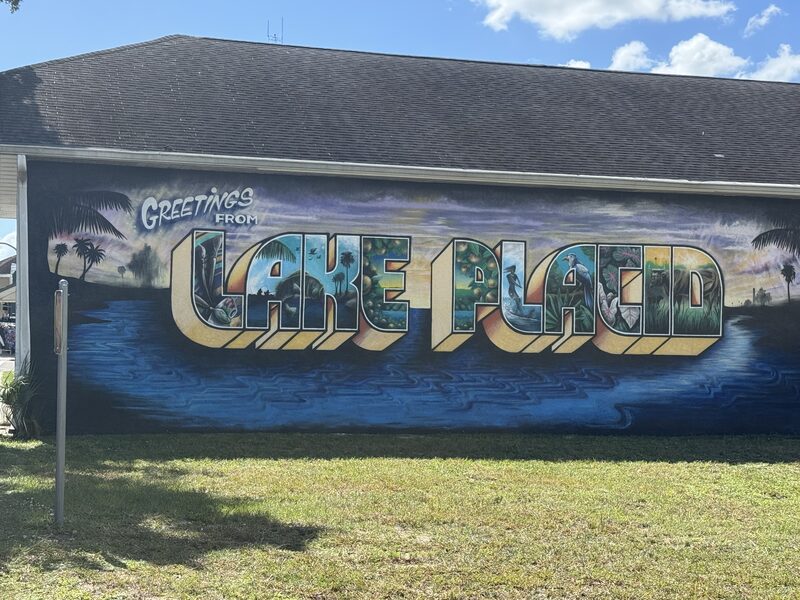
Sugar Sand Distillery sits on 10 acres off Henscratch Road in Lake Placid, Florida. It used to be a small boutique orange grove, mixed fruit, with a roadside stand out front. Citrus greening took it. The state wanted the old groves cleared and offered five years of bona fide agricultural status to whoever pushed the trees up. Don Davies pushed the trees up, and then he had five years to figure out what to grow. He planted sugarcane. Under Florida law, a farm gets to process what it grows, so on paper the distillery is a packing house for sugarcane. That's how Don and his crew built it on their own, with no consultants, no engineers, and no county building permits. Nobody knew they were doing it.
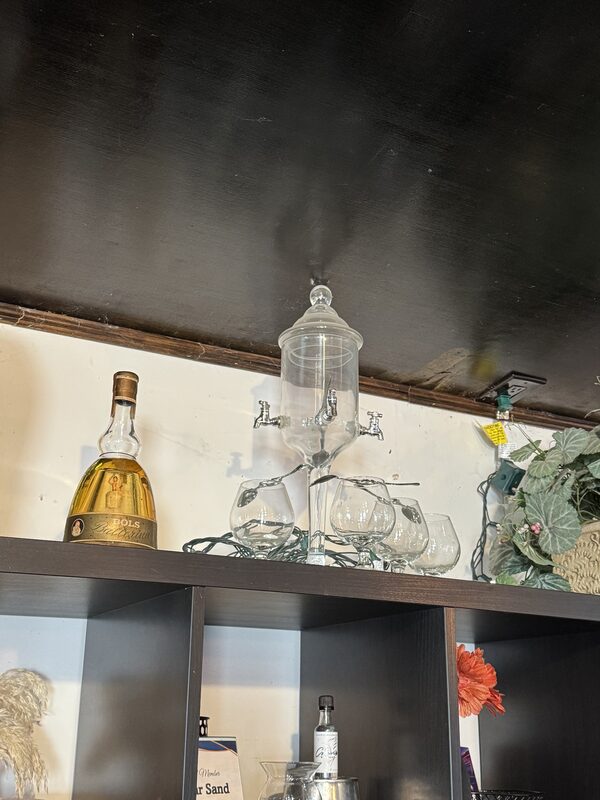
It started the way a lot of good things start. Don and his buddies used to hang out there on Wednesday nights and drink beer. They got bored with beer, so they switched to absinthe, fountain and all. They got bored with that too, so Don bought molasses and a 10-gallon still and started making rum. A couple of months later, at a family dinner, somebody asked what he was going to do with the property. He said they could open a craft distillery. Everybody said that sounded like a good idea. About a year later, in 2018, they opened the doors.
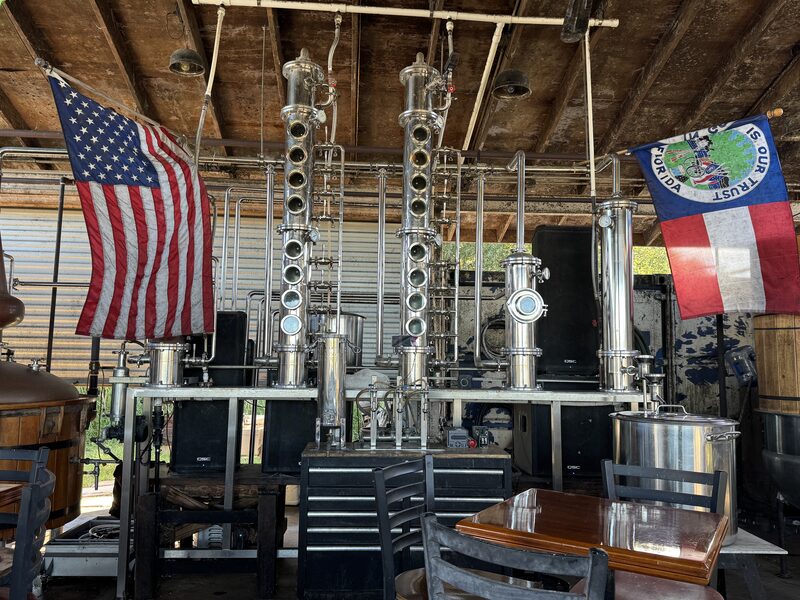
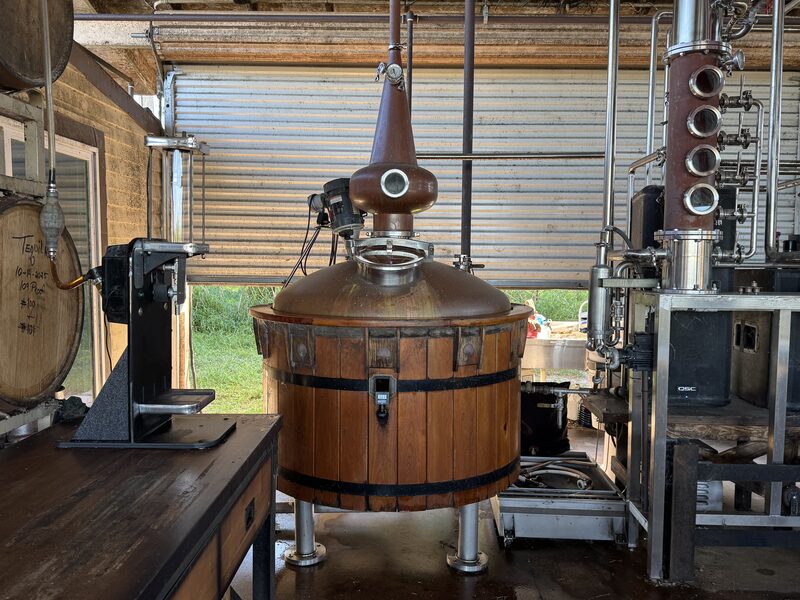
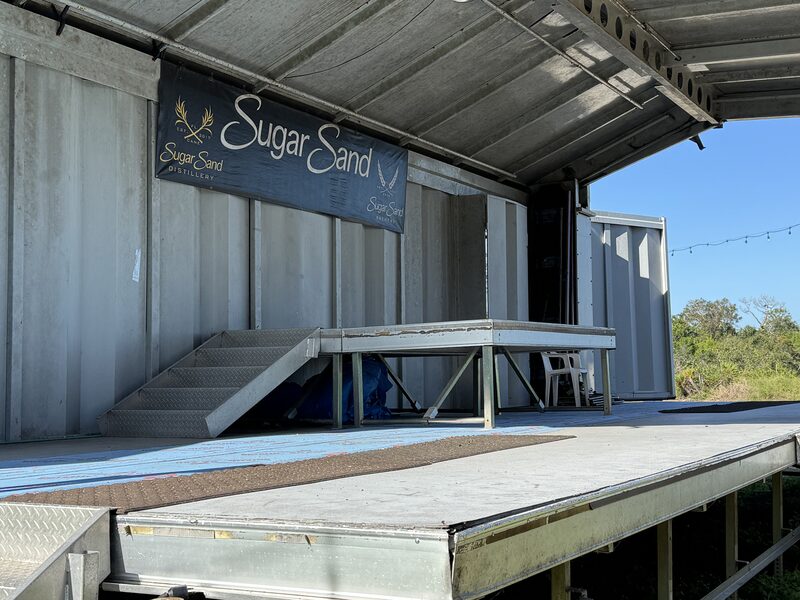
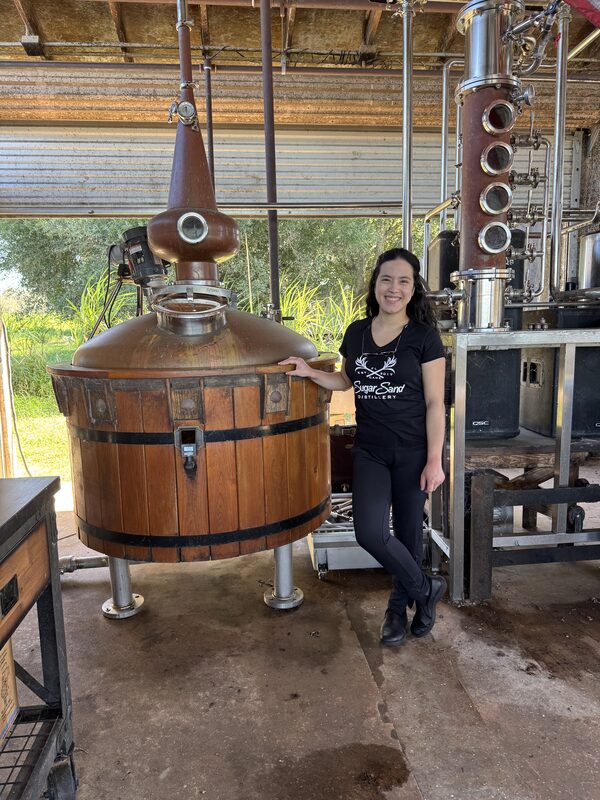
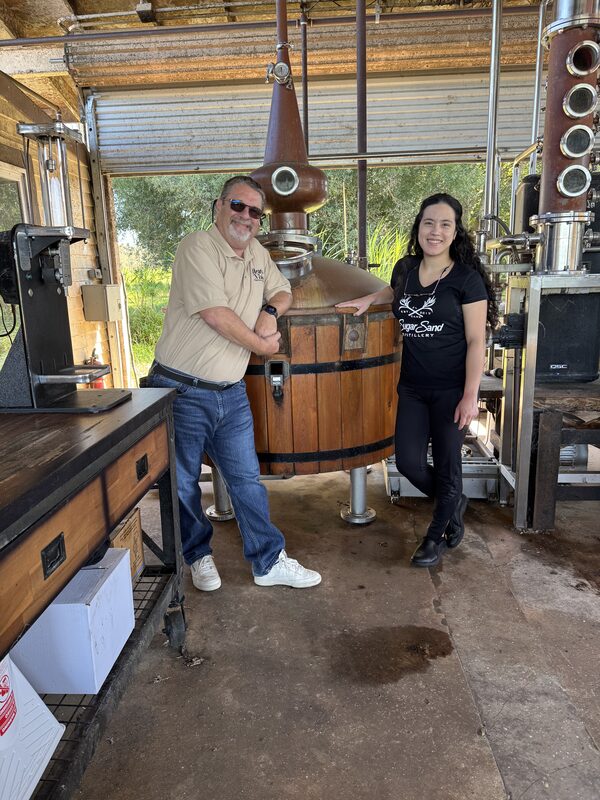
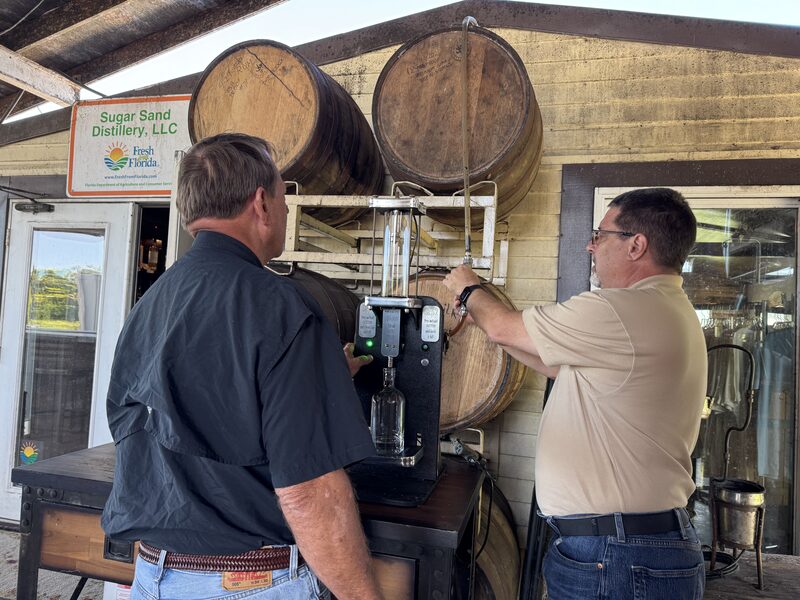
I love how Don sized the still. It's 250 gallons, and it sits outside in an old pole barn because that's what they had to work with. Why 250? Because that's about how much juice a couple of men can cut and crush in a day, and a 250-gallon tote is what they ferment in. Fill a tote a day, distill a tote a day. The tasting room was a shed. They worked off of what money they had.
The money ran out right on schedule. They opened in 2018 because they had to, with rum made from molasses on the little still and their own cane about six inches tall. On the very first tour, as the group walked back from the cane field, a man handed Don his business card and said, "I think you need help." He ran the world's largest sugar mill for U.S. Sugar. Don asked for fresh cane juice, and the four batches' worth they sent carried Sugar Sand through its first year. Don will tell you the sugar growers are just farmers doing what farmers do.
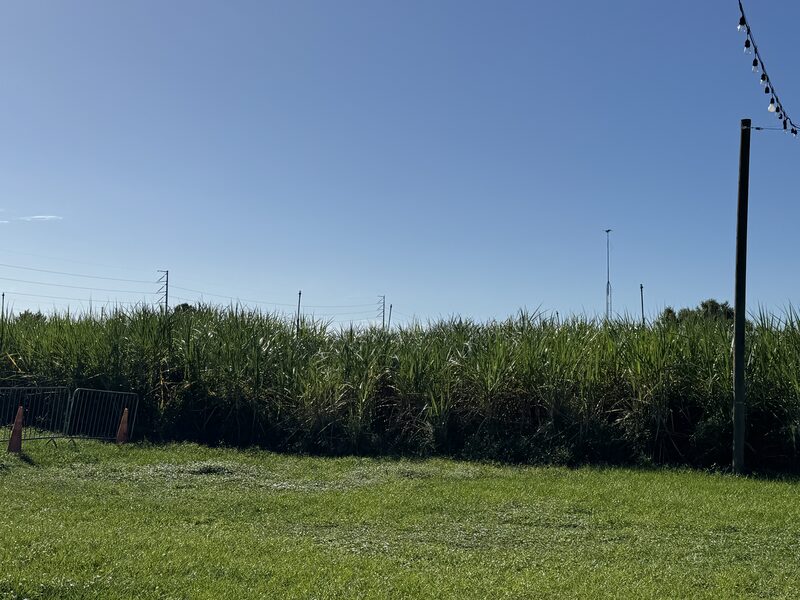
Don has been in the fertilizer business since 1983, much of it supplying the Glades, so he knew his way around a cane field before he ever planted one. The first planting on his four acres of cane came with 1,200-horsepower tractors, 12 loads of seed cane, and about 25 vehicles. It took all day. Now the harvest runs on volunteers. Don posts "come help us with our cane crop," and four, five, six people show up every morning. One regular had eye surgery last year, so she sent her husband to work her spot. He was not happy about it. He doesn't even mow his own yard.
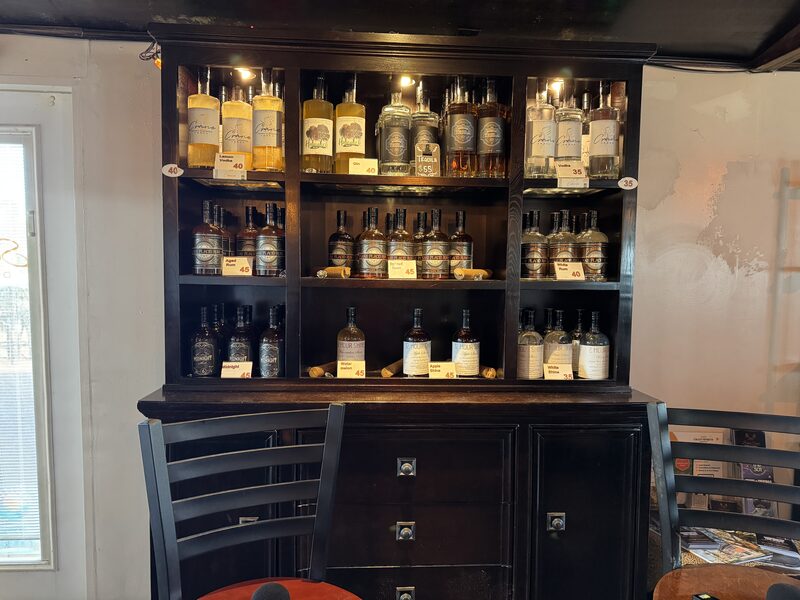
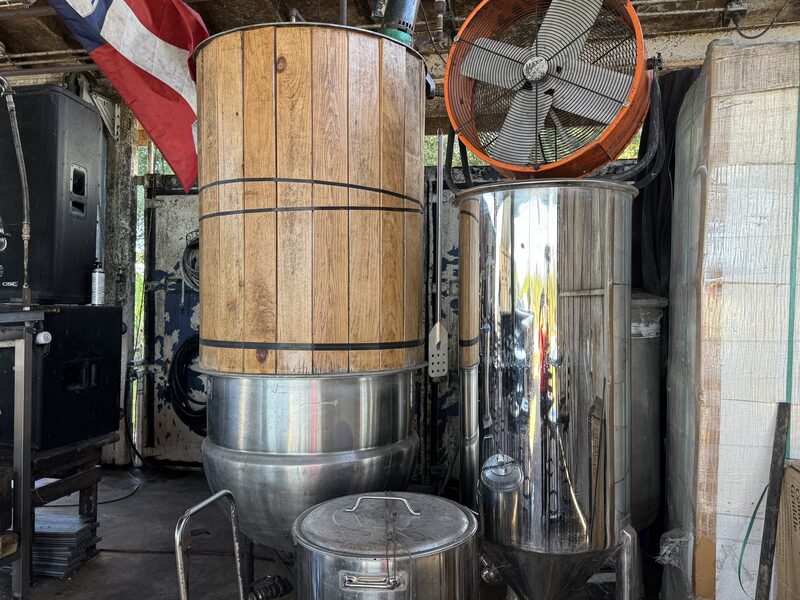
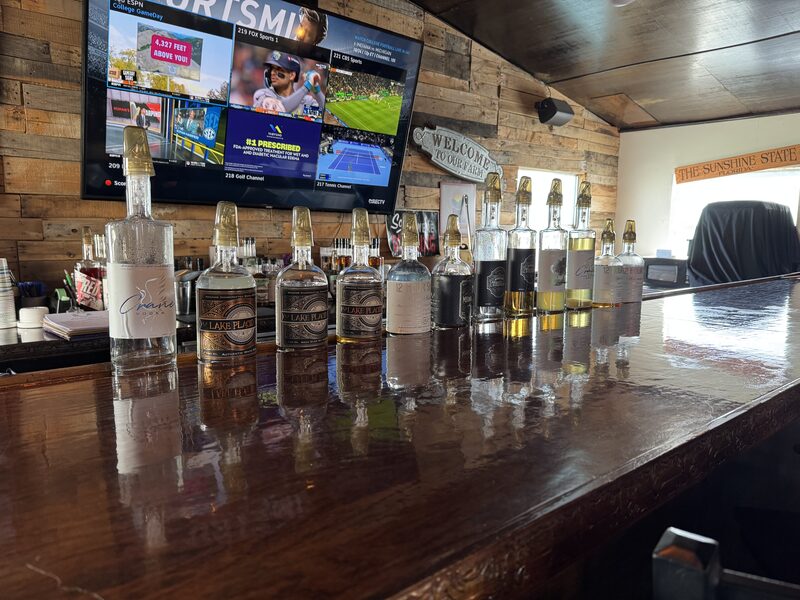
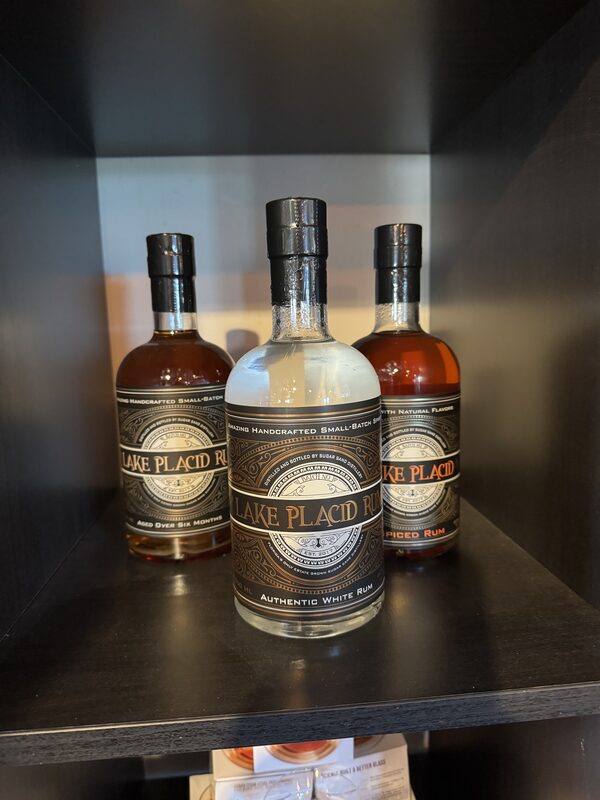
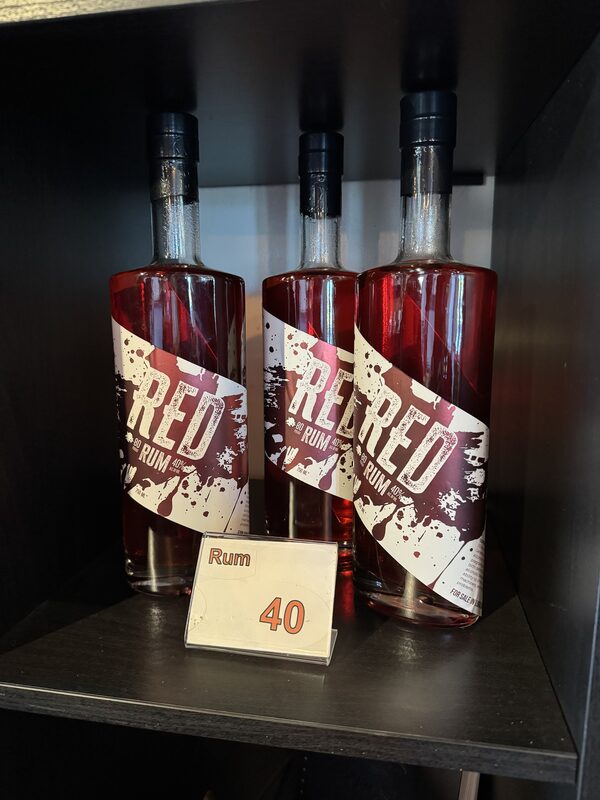
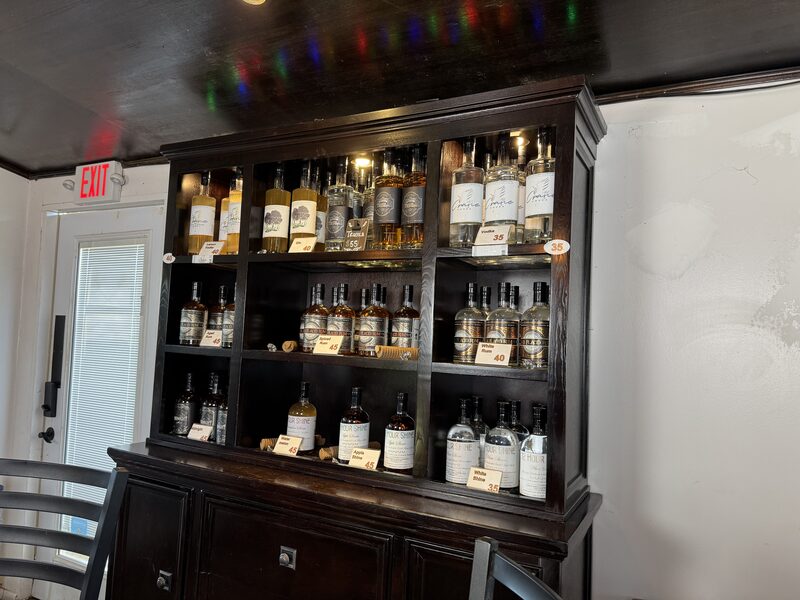
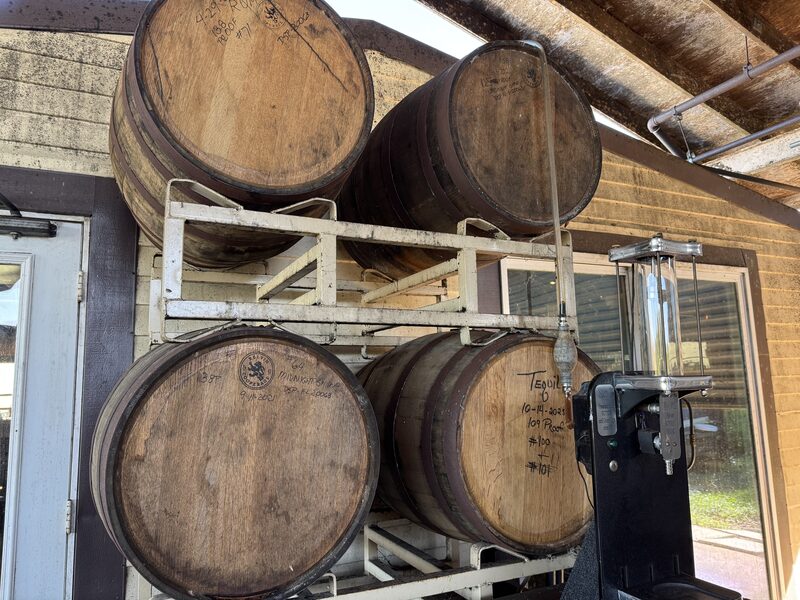
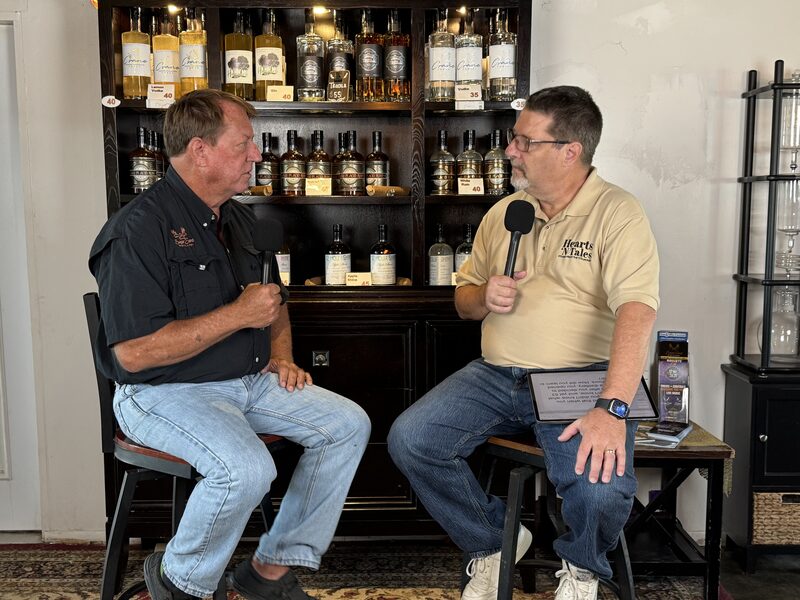
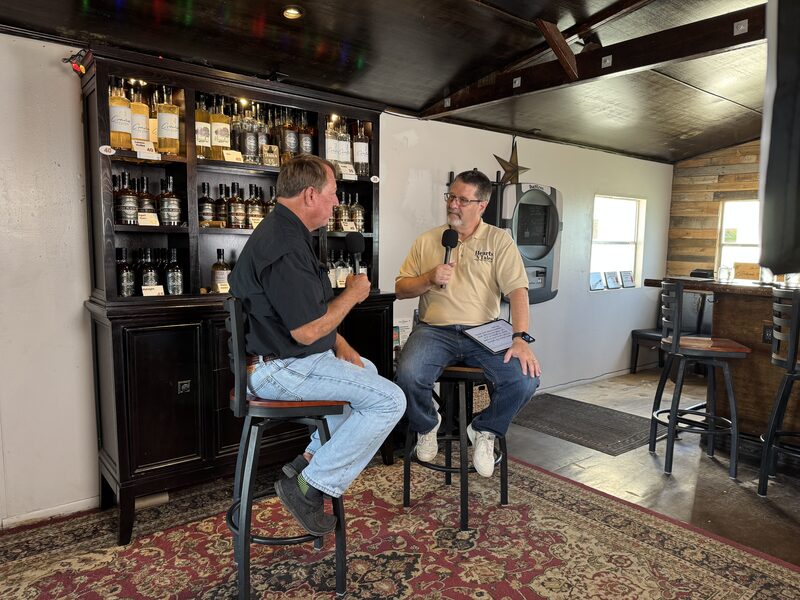
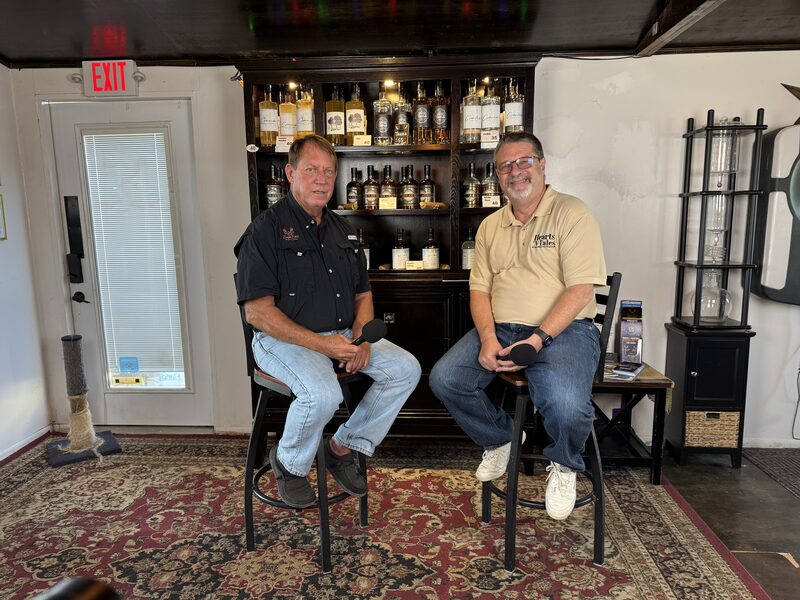
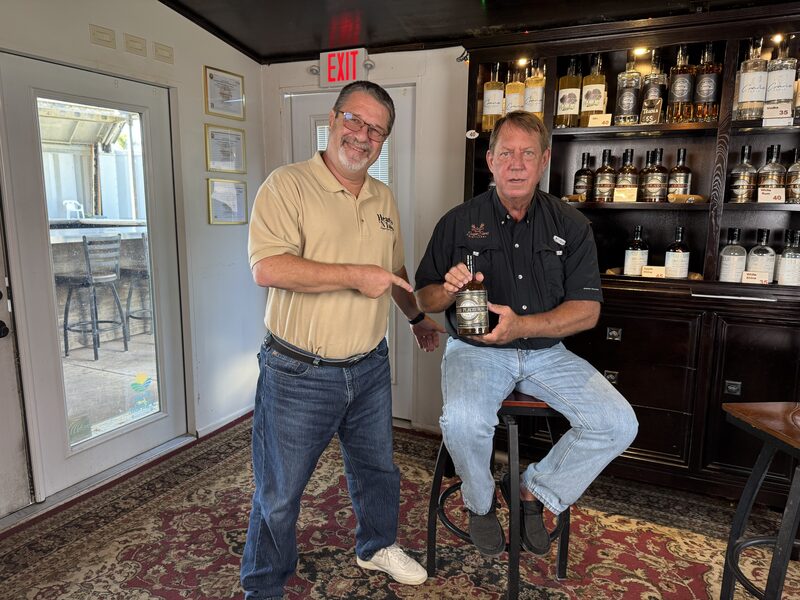
The rum is made the rhum agricole way, from fresh cane juice, and it can't sit around. They try to crush the cane within an hour or two of cutting it, add their own yeast on the way to the tote, and let it ferment for about seven days before it goes to the still. The aged rum goes into new number three char barrels from Kentucky, every batch in a new barrel, and most of what they're bottling now has had five or six years in the wood. I'm a rum snob, so that one had my attention. The shelf also holds the Lake Placid rums, Crane Vodka, 12 Hour Shine, and Hammock Gin. There's even a tequila under their own label, made in Mexico, and it took 14 months and the Mexican government's permission to get it.
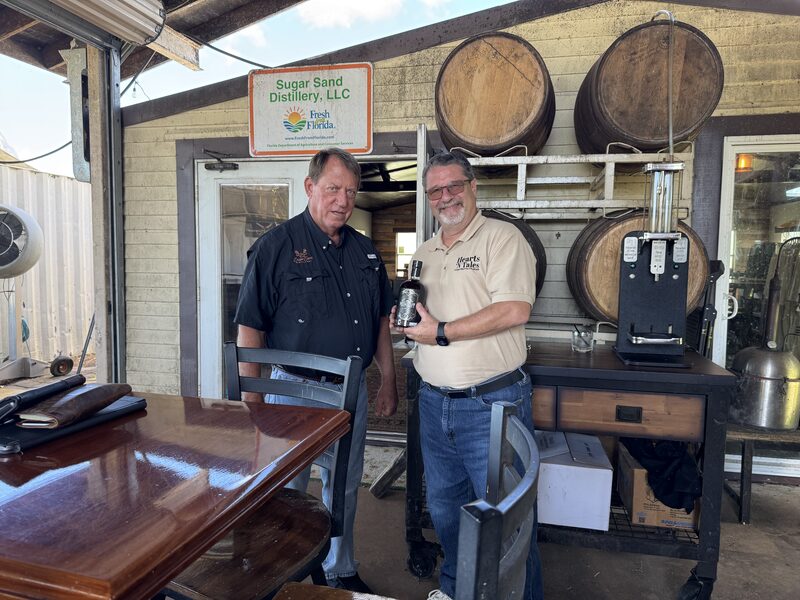
Don's rule is quality, not quantity. He learned it fast, pouring neat tastings at room temperature for people who will tell you exactly what they think. If a batch doesn't make them happy, they don't bottle it. They redistill it into something else. Nobody leaves there mad. And the people pouring know what's in the glass, which is the thing that keeps me coming back to a distillery.
Sugar Sand is open Wednesday through Sunday, 11 to 6, at 264 Henscratch Road in Lake Placid, with a second tasting room, The 301, on the Circle in downtown Sebring. Ask about the cane. Don likes to explain how things work, and he'll tell you what CP 96-1252 means.
Frequently Asked Questions
Who is Don Davies and what is Sugar Sand Distillery?
Don Davies is the founder and owner of Sugar Sand Distillery in Lake Placid, Florida, and he opened the distillery in 2018 after converting his citrus property into a sugarcane operation.
Why did Don plant sugarcane and build Sugar Sand Distillery?
He planted sugarcane because citrus greening killed the orange grove and Florida's bona fide agriculture status gave him time to repurpose the land, so he planted cane and set up a distillery that legally processes his crop.
What kind of rum does Sugar Sand Distillery make and how do they make it?
They make rhum agricole-style rum from fresh cane juice, crushing cane quickly (ideally within an hour or two of cutting), adding their yeast on the way into 250-gallon totes, fermenting about seven days, and then distilling; roughly 250 gallons of juice yields about 18 gallons of rum.
Why does Sugar Sand use a 250-gallon still and where is it located?
Don sized the still at 250 gallons because that's about how much juice a couple of people can cut and crush in a day, and the still sits outside under a pole barn because that was what they had to work with when building the operation.
How is the cane harvested at Sugar Sand and who helps bring it in?
Harvests are community-minded events: Don posts “come help us with our cane crop” and typically four to six volunteers show up each morning to cut and bring in cane, though the first planting was done commercially with large tractors and many support vehicles.
Can I visit Sugar Sand Distillery or taste their spirits, and do they have another location?
Yes, they offer tastings at the Lake Placid distillery and also operate a second retail/tasting location called The 301 in downtown Sebring, where staff are trained to pour neat, room-temperature tastings and explain what’s in the glass.